
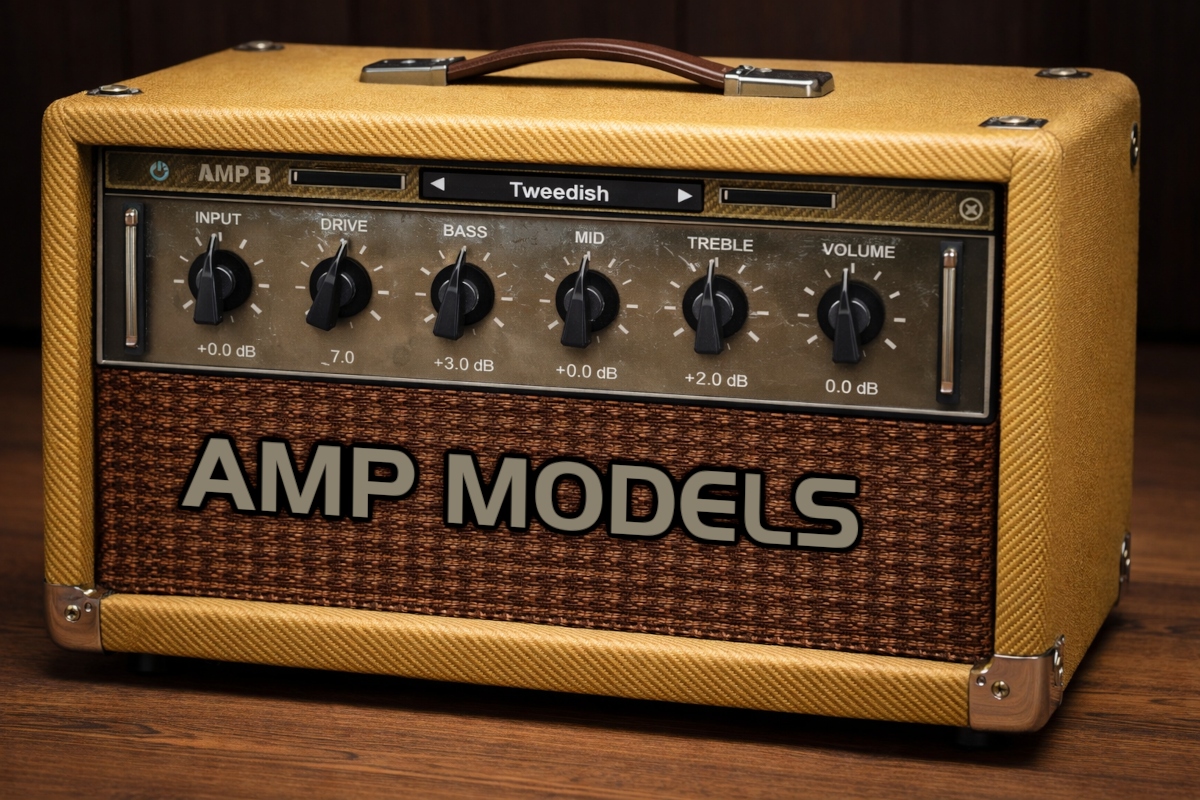
Axiom and its distortion and amp simulation engine Destructor come with hundreds of built-in guitar amps, preamps and cabinets as presets.
Although these presets are not aimed to be exact replica of existing amp models (that’s not the initial idea behind destructor), many of them are inspired by, or derived from existing gear, offering a starting point for your journey into finding your own personal tone.
I often get questions about amp presets, their names and where they come from, and how to find specific tones from of the long list of factory presets. Here is an overview of a few names and keywords used in Axiom and Destructor presets, and tips to help you find your way thru these presets to craft your own guitar tone out of them.
[Looking for bass amps models? Read more here]
Tones Inspired by…
Do not expect a comprehensive list of specific models here, but some keywords that may remind you of legendary gear that inspired these tones (sometimes it is only part of the stack, such as the preamp or the cab – see the mixed tones in next paragraph). The graphical elements used in the presets may also be an indication of the type of amp(s) that initially inspired them. But sometimes the inspiration can drive you far away from the source too :-).
Disclaimer: all amp and brand names used in this article are trademarks of their respective owners. Blue Cat Audio is not associated nor affiliated with them. They appear only to help identify products whose tones inspired us during the creation of presets.
Fender
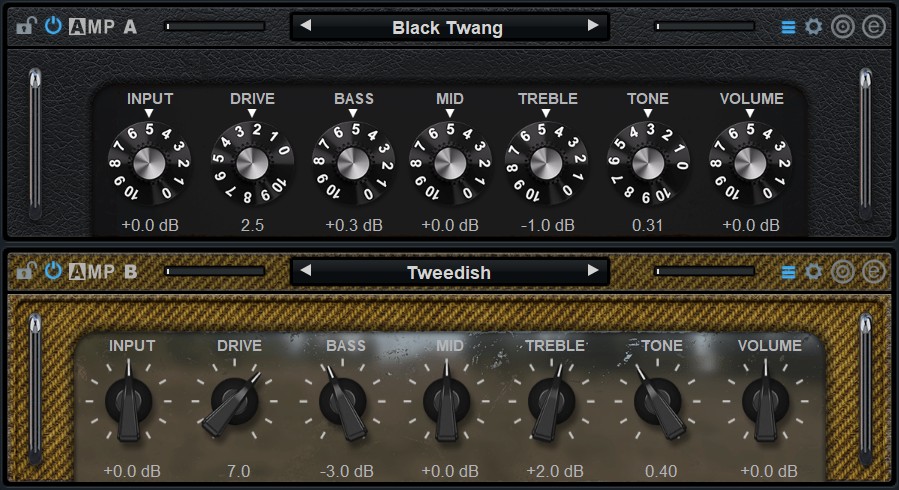
There have been many Fender amplifiers over the years. I have used a couple of keywords for them, such as Twang, Bros (Twin), BFace, BF or B-Face, Lux, Tweed, BMan, Prince… It should give you an idea of the base models (Black Face, Twin, Deluxe, Princeton, Bassman…).
Filmosound
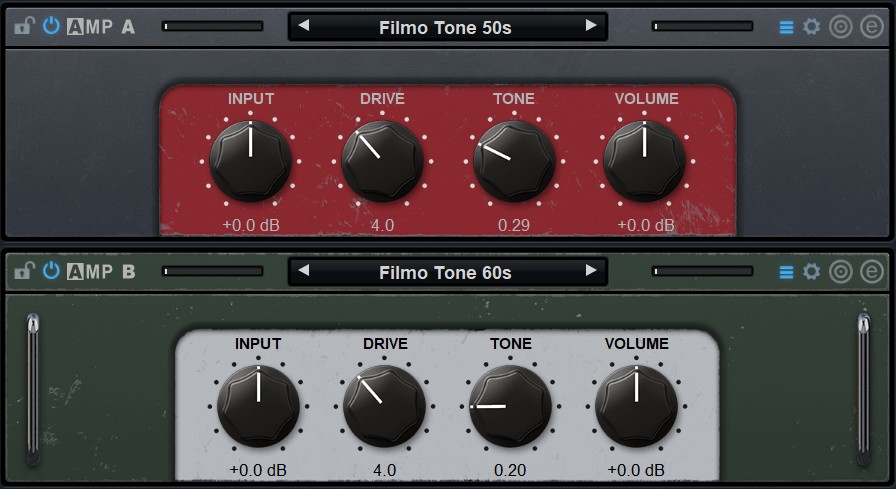
Vintage Filmosound amplifiers are vintage film projector amplifiers from the 50sand 60s modified to make them usable for guitars (more details in this article and video). Every single model is thus different. Keyword: Filmo Tone.
Hiwatt
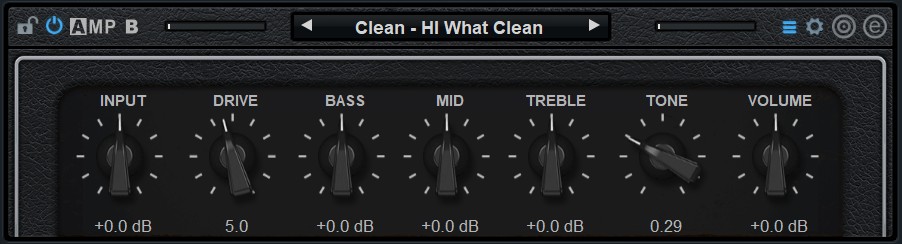
For Hiwatt amps tones, I have used Hi What, or simply HI as a prefix. Mainly for the brighter-sounding tones that you can specifically get from them and no other type of amplifiers.
Marshall
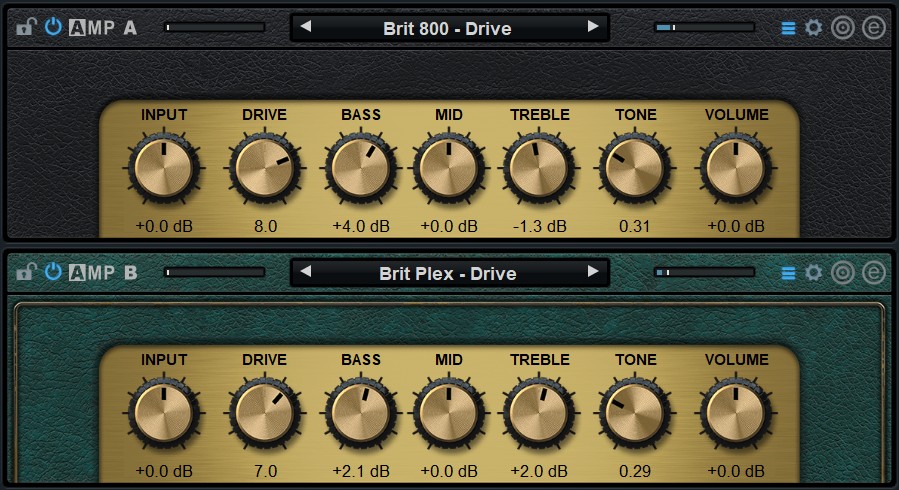
Marshall is a very prolific brand too. I have had a chance to try out a couple of models of the years which inspired the various Brit (a bit of all eras), and Plex (older ” Plexi”-type amps) presets.
Mesa Boogie
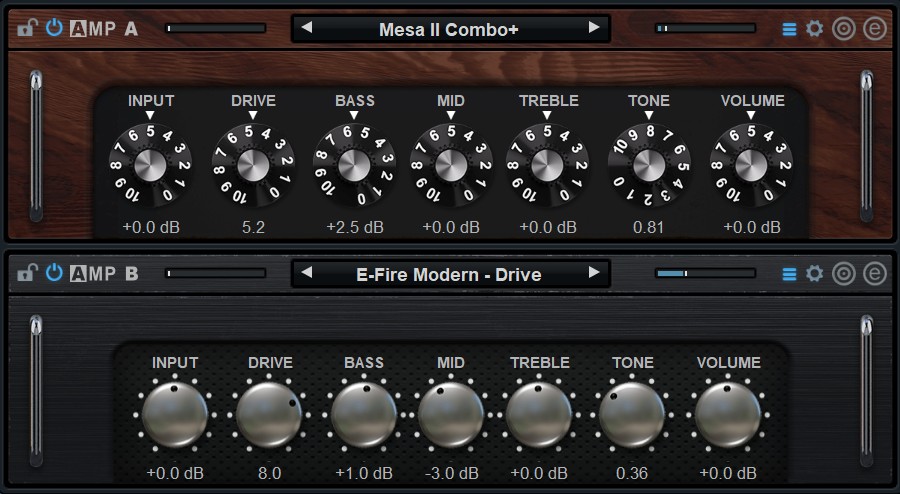
You will find a couple of presets inspired by Mesa Boogie using the following keywords in their names: Mesa, Fire, Rectif, California, Boogie, Cali… Both vintage and more modern tones.
Orange
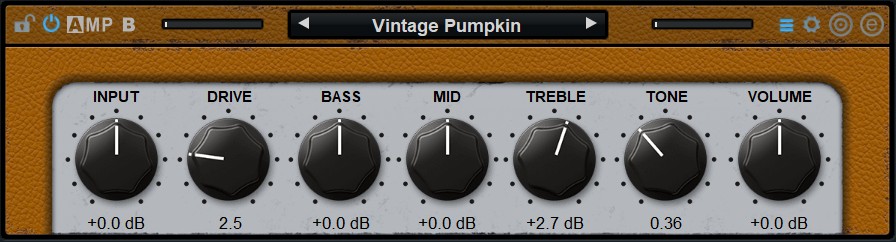
A couple of vintage sounding Orange amps have inspired the Pumpkin models.
Peavey
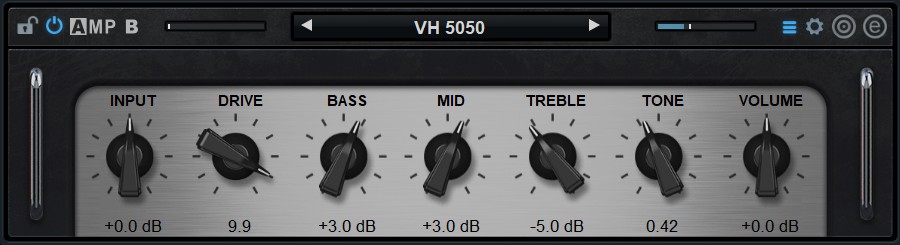
One of the most iconic amps built by Peavey, with a very specific and easily recognizable tone, is probably the model designed with Eddie Van Halen (later reproduced with other brands), named after Eddie’s studio, the 5150. Keywords: VH, 5050, VH50.
Rockman
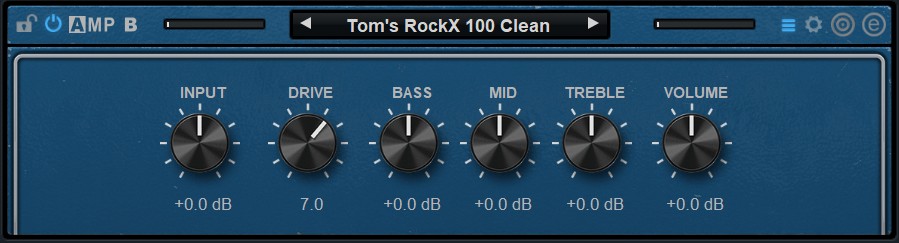
Although not a really a guitar amp, the Rockman headphones amplifier (a brand now owned by Jim Dunlop) developed by Tom Scholz is part of the guitar tones history. It is coming back these days as a pedal, probably thanks to the 1980s nostalgia. Keywords: RockX.
Roland
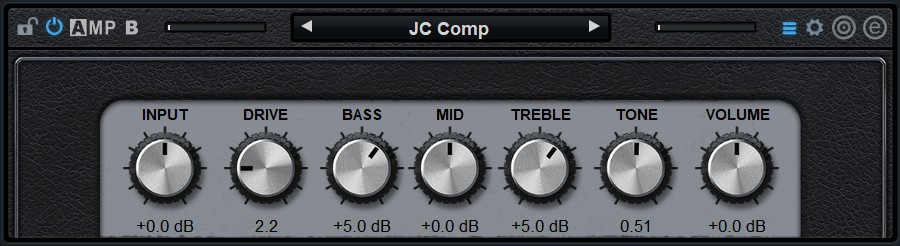
What would be the world of guitar amps without the Roland Jazz Chorus (JC 120 and other models)? A couple of presets with JC in their name are variations around this type of amp, usually very clean, straight and bright.
Vox
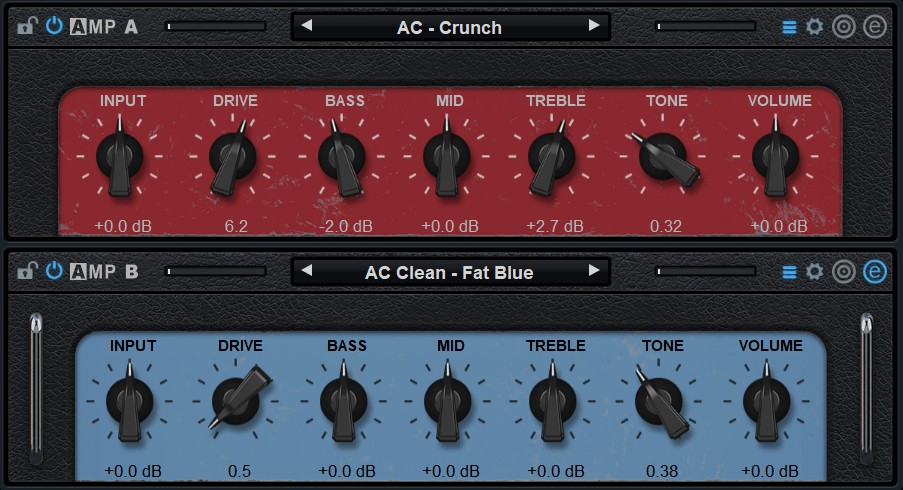
Appeared at the end of the 50s, Vox‘s AC series have been another corner stone of the guitar tone history. They are however known to sound very different depending on when they were built. That’s why you may find quite a few variations in the presets inspired by them.
Other
There are many other brands that have inspired presets for various parts of the amp models. You may find other keywords in their names, such as Yam for Yamaha, Pea for Peavey, Rand for Randall, Bug / Hubert for Bogner, Angel or Ange for ENGL, SLD for Soldano…
Mixed Tones
Because Destructor lets you mix multiple parts of an amp together or blend several models together with tone maps to build your own, many presets may refer to multiple types of amps and brands, creating unique tones that may not exist in the real world.
Here are a few examples: British Tweed, JC Twang, Twangy Brit, AC Lux Hybdrid, BMan HI…
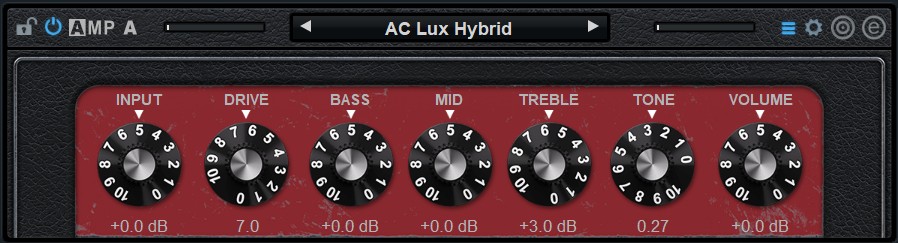
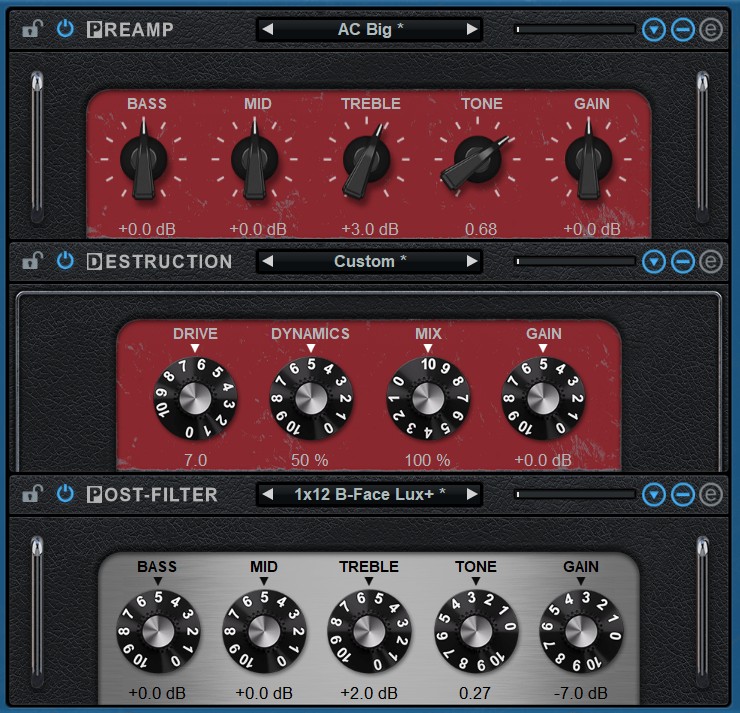
With the forementioned keywords, you should now be able to find out by yourself where these hybrids come from. You can also open the amp editor (the (e) icon at the top-right in Axiom, or the “EZ” icon in the Destructor’s toolbar) to get more details about the various parts:
Using These Keywords to Craft Your Own Tone
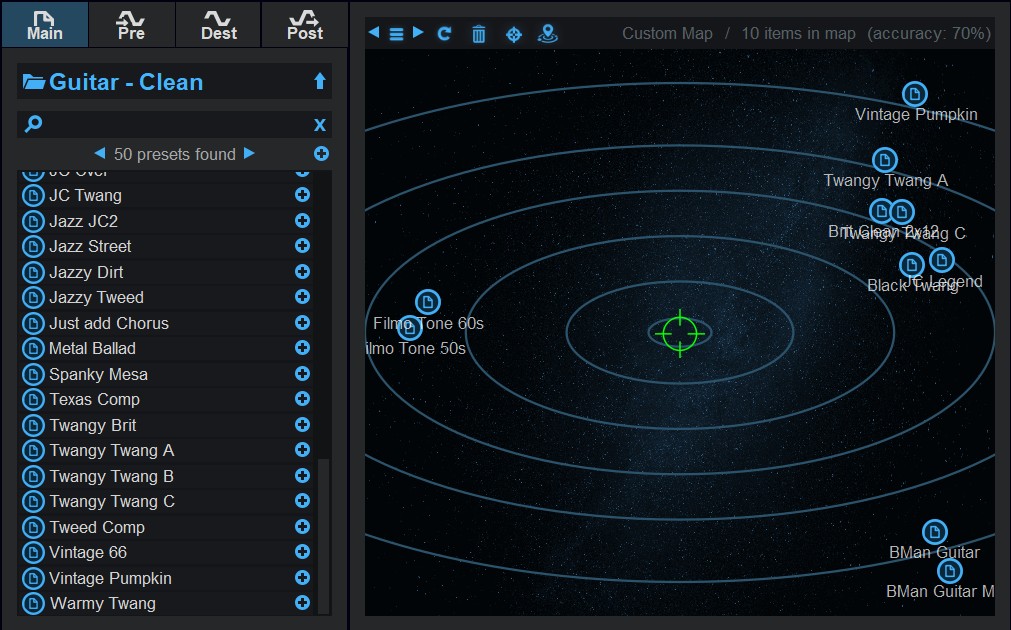
Thanks to these keywords, you can now have a better idea of presets while browsing them, either in the menu, the presets manager or the tone maps.
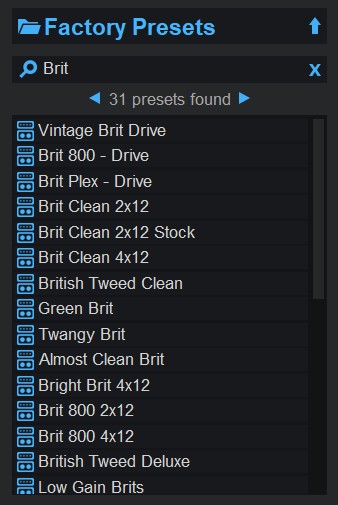
You can also use them to search for presets in the presets manager. You may sometimes fall on odd combinations as mentioned earlier, but it is a good way to understand the source(s) of inspiration of some presets and have an idea of how they may sound before opening them:
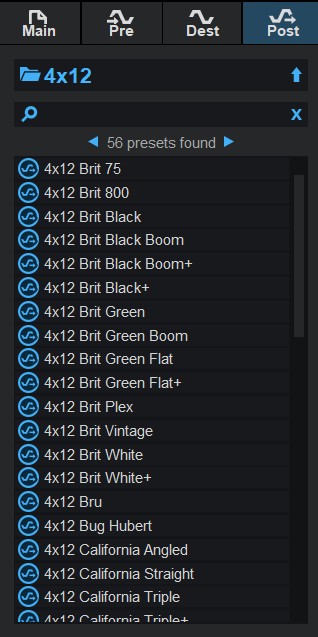
This of course applies to full amp presets but also to PREAMP and POST FILTER (cabinets), if you are building your own tone from individual parts of the processing chain:
But watch out! At the end of the day, what matters is the tone that you hear and feel, regardless of what may have initially inspired the presets. Just use these keywords as a hint for your navigation. Destructor indeed takes a rather different approach to modeling, proposing its own way to dial a guitar amp tone.. Trying to mimic what you would do with a more traditional amp simulator is probably not the optimal way to get your guitar tone easily.
Enjoy the journey!


Thank you!!
I was a dirt poor student when most of these amps were being popularized so, though the names had a hint of familiarity, I had no experience with the real amps. It’s been a blast auditioning your factory presets and tweaking them to my taste, and now knowing what inspired them.
Thanks! Glad that it helps!